Why the Best Productivity Tool Does Less
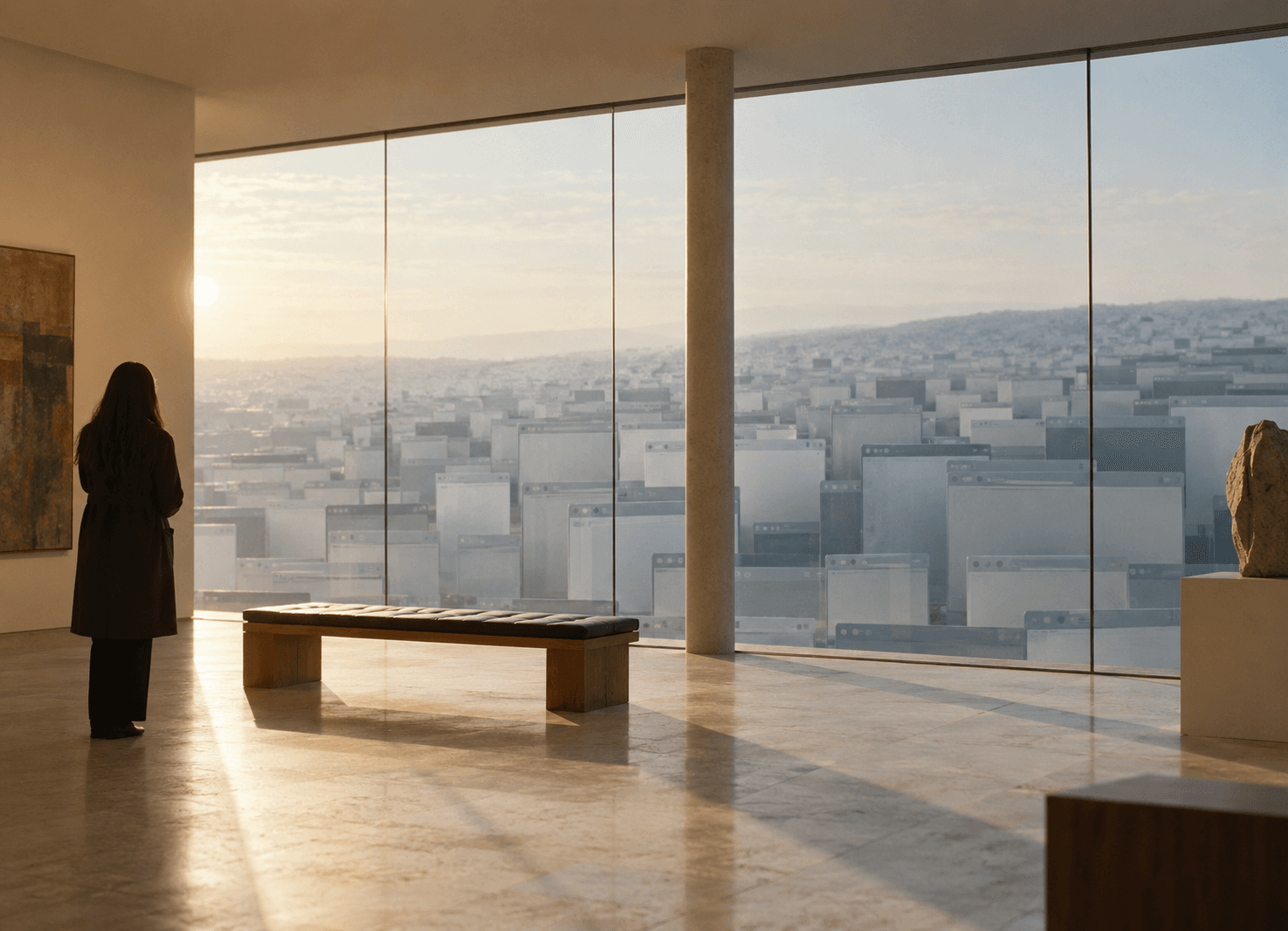
You open a productivity tool to save one thought.
Before you can, it asks a few quiet questions. Which project? Which folder? Which template? Which tags? Will you want this in a table, a board, a calendar, or somewhere else entirely?
The thought was simple. The setup is not.
That gap is where a lot of productivity tools lose the plot. They give you more ways to organize your work, then make organizing the work.
Mies van der Rohe had a different instinct. His buildings used steel, glass, open plans, and very little decoration. “Less is more” was not an excuse to leave things unfinished. It was a bet that the structure should do its job without asking for extra attention.
That feels useful here.
A dashboard can be useful. So can a template, an integration, a custom view, and a detailed system of tags. Plenty of people make those tools work. But each one creates another thing to maintain. The work is not only writing the note. It is remembering how your own system works six months later.
Roma is built around getting that work out of the way.
You use Quick Capture to get down a task, a note, or something you need to remember. Then the Operator, your AI assistant, can help with the busywork around it, instead of making you decide the whole structure before you have saved a sentence.
The point is not that you never organize anything. It is that organization should not become the main thing you are doing.
A good productivity tool gives you a place to put a thought, confidence you can find it again, and less system to carry when you close it.
Less maintenance. More room to think.